For most of the web’s history, scraping data required little more than a handful of standalone scripts and a few reliable proxies – IP rotation, some concurrency logic, and basic retry patterns were enough to collect data from a large portion of the web. That era is over.
The capabilities that made proxies effective have been outpaced by how modern sites defend themselves.
Proxies remain necessary building blocks for web data access, but they are no longer sufficient.
The proxy foundation
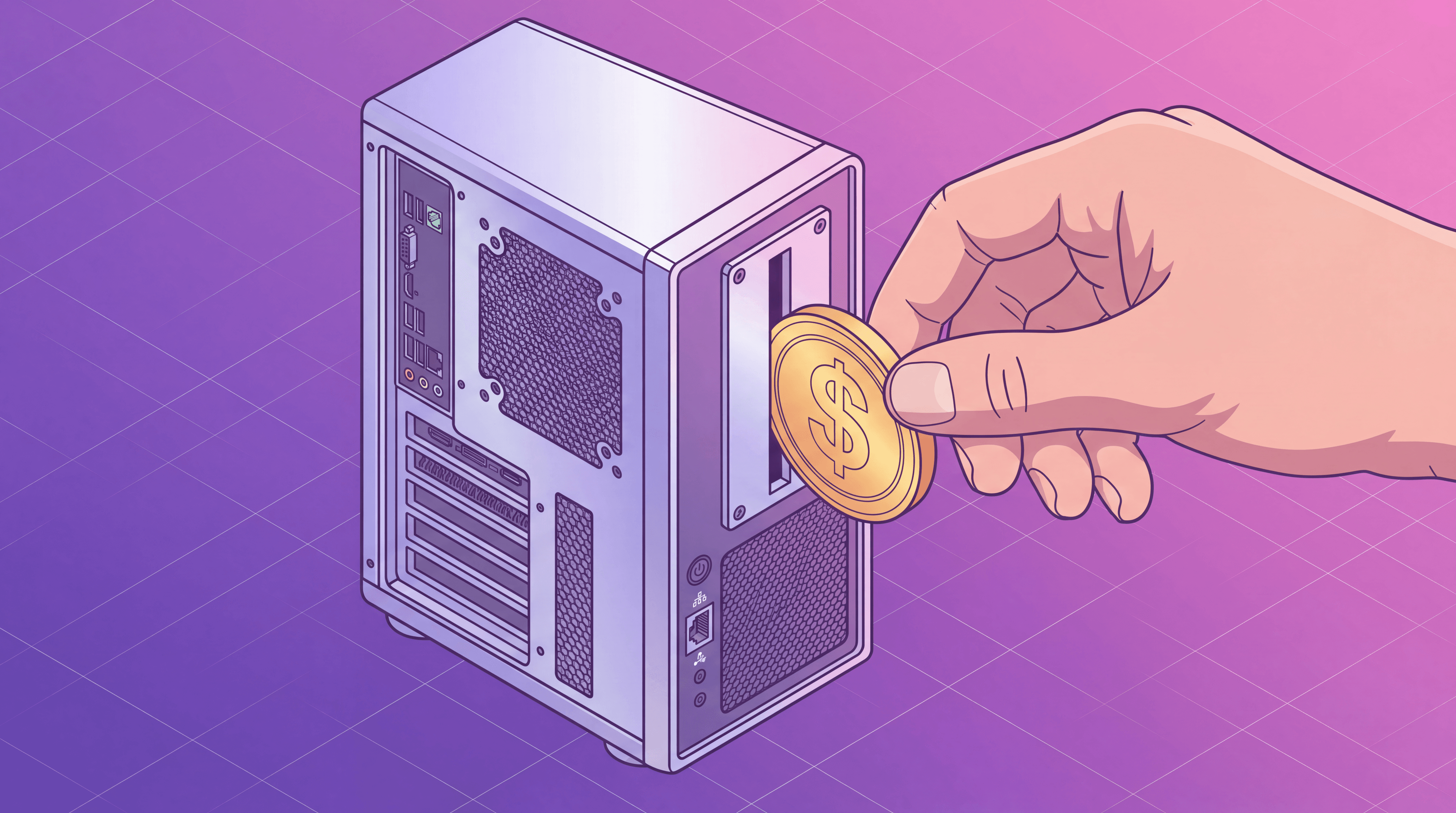
At their core, proxies do one thing: provide IP diversity. That diversity helps distribute traffic across regions and manage blocking. It also offers a layer of anonymity, which many web scraping workflows benefit from.
Proxies gave developers control and flexibility, but at a cost. They introduced significant maintenance obligations: tuning rotation strategies, adjusting for traffic patterns, and replacing underperforming or burned IPs.
In practice, “proxy solutions” span a spectrum:
- A team may buy IPs directly and manage rotation internally.
- It may automate this with homegrown infrastructure.
- Or it may rely on managed proxy APIs – services that abstract away procurement and rotation but still focus exclusively on providing access to pools of IPs.
Despite differences in packaging, these approaches solve only one aspect of the scraping job: giving outgoing requests a viable outward identity.
The full-stack web scraping API
By contrast, a full-stack web scraping API, simplifies an entire chain of data collection activities into a single programmable entry point.
Instead of assembling and maintaining proxy infrastructure, browser infrastructure, unblocking strategies, extraction logic, and compliance workflows, the developer interacts with a unified system that handles all the tasks required to turn webpages into usable data.
Such APIs typically orchestrate several functions:
- Proxy management, abstracted from the user.
- Unblocking, countering strategies deployed by bot mitigation systems.
- Browser automation, providing JavaScript execution and an interaction layer.
- Extraction, returning structured output from raw web assets.
- Compliance, ensuring workflows align with relevant policies and regulations.
Each of these functions solves one local constraint but does not eliminate the need for integration.
But full-stack web scraping APIs collapse the boundary between “collecting” and “converting” web data, by handling both.
Key differences between proxies and full-stack web scraping APIs
There are four key aspects that distinguish between proxy-centric architectures and full-stack APIs:
| Aspect | Proxies | Full-stack web scraping API |
|---|---|---|
| Cost efficiency | Output-based: Pay per bandwidth (GB) for residential IPs or per IP when you rent datacenter IPs. | Outcome-based: Pay per successful requests. |
| Success rate and reliability | Variable, depends on IP quality and tuning strategy. | High, with optimized and leanest strategy that works. |
| Developer effort | High: custom dynamic logic with ongoing monitoring and fixes. | Low: a single customizable API endpoint that tackles end-to-end web scraping tasks and returns structured data. |
| Modern web handling | Requires external rendering/browser setup. | Built-in JavaScript rendering and browser interaction layer. |
1. Cost efficiency
Proxy pricing typically follows a resource-consumption model: pay per GB or per IP. But this hides operational costs – engineering time, maintenance cycles, breakage, and variance in success rates. The real cost becomes the total cost of achieving a successful result.
The best full-stack web scraping APIs invert the model by charging for successful requests. The pricing aligns with output, not input. Teams pay for what works, not for the attempts required to make it work.
2. Success rate and reliability
Proxy-based workflows produce variable reliability. Success depends on IP quality, rotation heuristics, timing, target-specific tuning, and the team’s ability to adapt to new strategies. Even well-tuned systems degrade without constant care.
Full-stack web scraping APIs optimize for reliability and predictability. They identify and maintain a set of lean and adaptive unblocking strategies, freeing you from any perpetual tuning and monitoring work.
3. Handling modern web features
The modern web is dynamic; many pages depend on client-side rendering and dynamically-requested content. Proxy-only approaches require developers to manage their own external headless browser instances. Integration complexity grows quickly.
Full-stack web scraping APIs provide built-in JavaScript rendering and controlled browser interaction layers. Instead of building and maintaining a rendering pipeline or juggling stateful crawlers, the user delegates this complexity to the API.
4. Developer experience and effort
Proxy workflows require custom dynamic logic, ongoing monitoring, and frequent fixes. Effort compounds as the number of target sites or volume of data scales. Each new website adds variability of configurability.
A full-stack web scraping API puts predictability into the workflow. The developer expresses intent and the system returns predictable, consistent results: the same request shape, the same output schema, regardless of site complexity. Monitoring shifts from low-level access metrics to high-level success metrics. Attention freed up to focus on high-value work.
Feed your data appetite
The economics of scraping have shifted: the operational load is now the dominant cost, not the proxies themselves.
Full-stack web scraping APIs represent a different solution – one that’s oriented around outcomes.
When it comes to dinner and data alike, you could always cook for yourself from scratch. But sometimes it’s smarter to hire a personal chef who knows every recipe and ensures you are always well-fed.