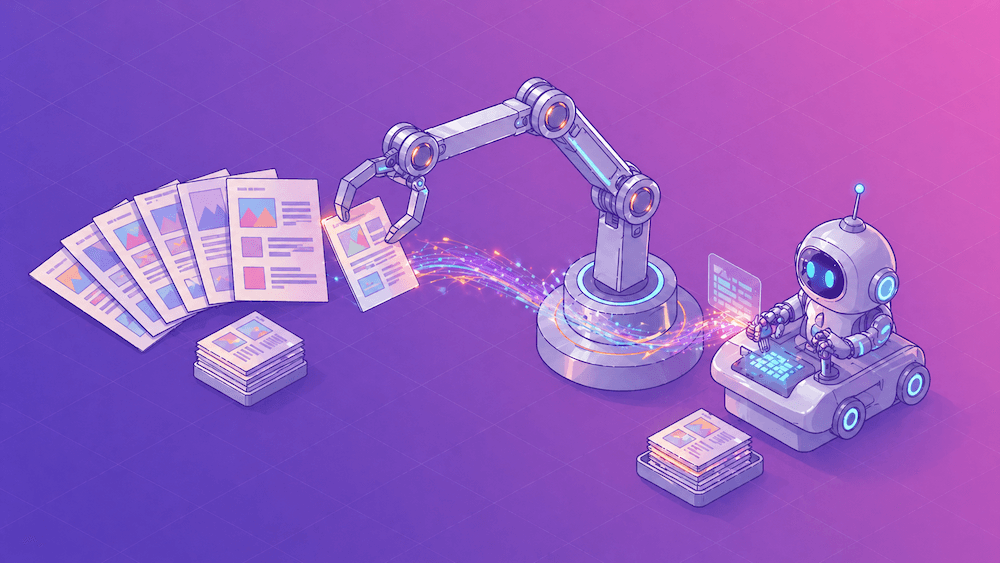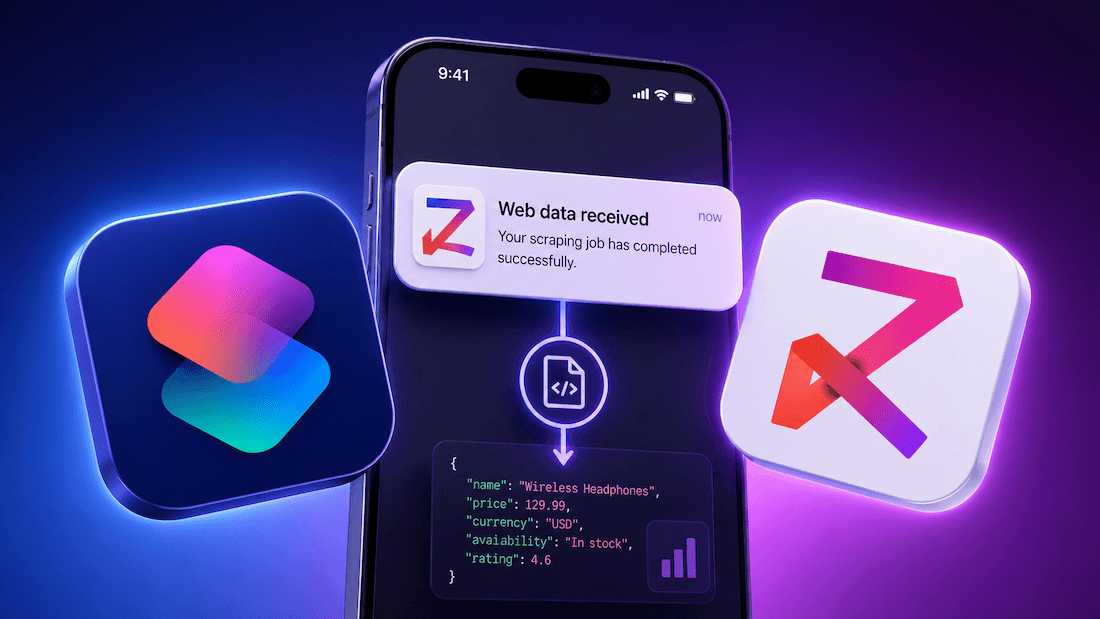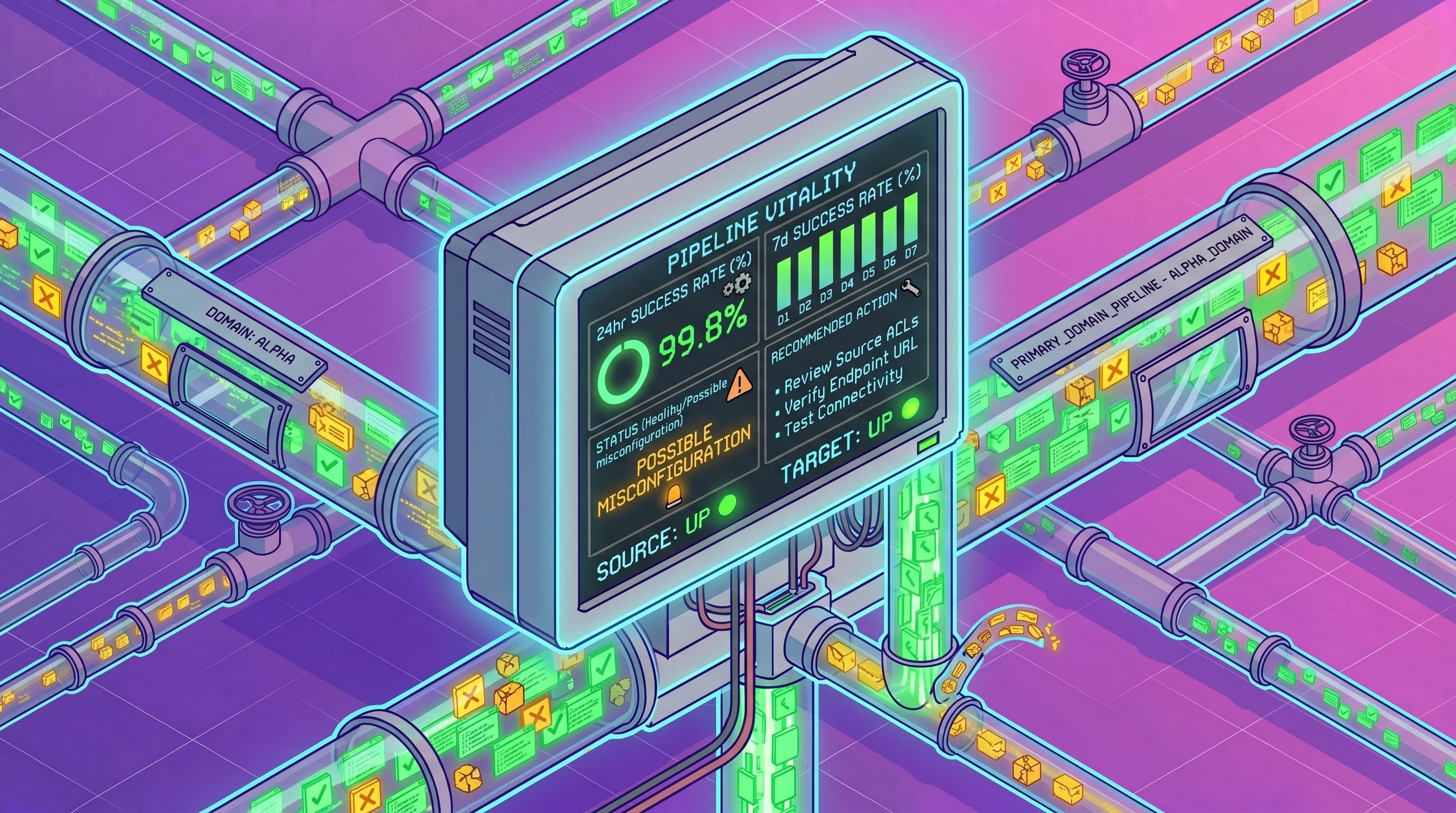
According to MIT research, 91% of machine learning models experience measurable performance degradation over time.
For large-scale applications, even small performance drops can translate to significant business impact.
But model maintenance is a continuous and labour-intensive operation that involves multiple moving parts - from data collection, cleansing, to the actual training.
The challenge of keeping models current
Models trained on historical data become misaligned with current reality as the world changes. When the real-world data your model encounters differs from the data it was trained on (whether through changing customer behavior, new market conditions, or shifting regulations), it risks the model's predictions becoming less accurate.
Public web data is one rich source of data for keeping models current. But detecting when a model needs a refresh requires continuous monitoring of both model performance and ensuring the underlying data are of good quality.
Organizations that solve this challenge systematically will maintain competitive edge while others watch their models degrade.
How leading AI teams keep deployed models performing
The organizations that maintain that edge are using three specific approaches.
1. Domain-specific fine-tuning: Maintaining competitive edge as domains evolve
A report by RAGAboutIt found that model fine-tuning using domain-specific data improves entity extraction accuracy from 73% to 91% for specialized terminology. Foundation models are powerful but domain-specific fine-tuning makes them more valuable. The key to domain-specific fine-tuning is source selection.
- Legal AI models must stay current with new precedents and regulations.
- Medical AI models must stay current with new research and clinical guidelines.
- Financial AI models must stay current with market conditions and regulatory changes.
But collecting domain-specific web data comes with the burden of creating and maintaining scrapers for domain-specific experts sources.
Example: Ingesting the latest inputs
One legal services firm needed to keep its AI models current with new court precedents and regulations. It came to Zyte Data to build custom scrapers for court record databases, to automatically extract new cases and legal decisions.
Zyte Data's extraction pipelines are built specifically for domain-specific customers’ unique data sources, eliminating the need for the team to build and maintain custom integrations with each specialized source.
1{
2  "case": {
3    "caseNumber": "2026-CV-XXXXX",
4    "court": "Federal District Court",
5    "decision": "Summary judgment granted",
6    "dateDecided": "2026-04-20",
7    "precedentTopics": ["contract interpretation", "liability"],
8    "citedStatutes": ["42 U.S.C. § 1983"]
9  }
10}By partnering with web data collection experts, it’s easier for teams to maintain specialized models that stay current with domain evolution, preserving user trust and enabling vertical AI solutions where domain expertise is the core differentiator.
2. Continuous model refresh: Preventing performance degradation
Models trained on historical data become outdated as the world changes. But knowing when to refresh is as important as knowing what to refresh with. Teams that implement automated refresh cycles based on data distribution changes maintain performance within 2% of baseline, compared to 8% to 12% degradation in models refreshed on fixed schedules.
Imagine a team building demand forecasting models for the electronics industry. To keep models accurate, it would need to continuously monitor competitor announcements, technology trends, and supply chain signals.
This means monitoring multiple data streams: competitor announcements across press release sites and earnings call transcripts, industry news, supply chain signals from logistics tracking platforms, and market data from e-commerce sites and industry analyst reports. Without systematic data collection and structuring, this becomes a manual, error-prone process that teams struggle to maintain.
Zyte Data delivers the data in clean, structured formats ready for retraining pipelines, eliminating manual data engineering work and reducing operational burden. Zyte’s monitoring capabilities also reduce guesswork about optimal refresh frequency through custom change detection report which provides data-driven insights into how much the specific data domain changes and at what velocity.
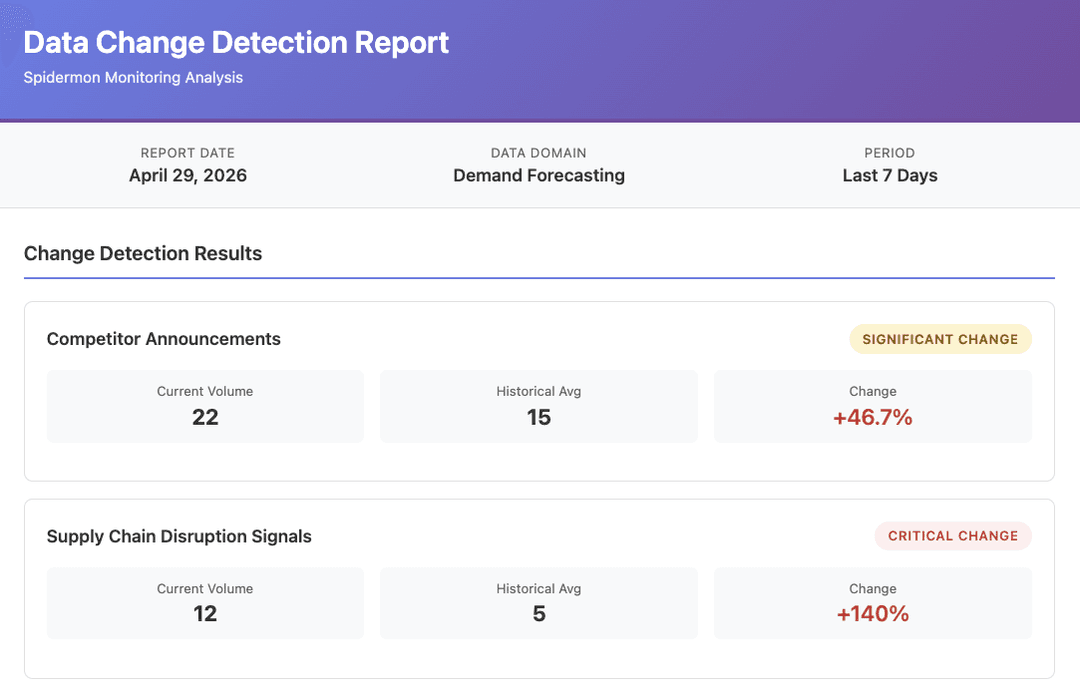
By monitoring competitor announcements, industry trends, and supply chain signals, the team could trigger model refreshes automatically when market conditions shifted. This enabled similar teams to maintain forecast accuracy, reducing costly supply chain disruptions.
When optimal refresh frequency is determined scientifically, teams are able to pinpoint to the optimum model refresh and prevent model degradation.
3. User feedback integration: Converting feedback into model improvements
User feedback reveals where models are failing in the real world and helps identify patterns that need to be addressed. Learning from user feedback accelerates model improvement and enables targeted fine-tuning.
Software-as-a-Service (SaaS) companies building AI-powered products face this challenge constantly. Their customers report issues through support channels, leave reviews on third-party platforms, and discuss problems on social media. Without a systematic way to aggregate this feedback, teams miss recurring issues that affect multiple users.
Consider two pieces of feedback pulled from a forum, describing different problems:
- "The recommendation seems off lately, seems to have gotten worse"
- Just tried batch processing 100+ items and the API keeps timing out. Anyone else or just me?
With Zyte API's **customAttributes**, teams can describe how to turn these feedbacks into something structured and ready to be acted on:
1{
2  "url": "https://example-forum.com/group/xchatbotservice",
3  "forumThread": true,
4  "customAttributes": {
5    "source": {
6      "type": "string",
7      "description": "where the feedback came from",
8      "enum": ["support_ticket", "social_media", "review_platform", "forum"]
9    },
10    "sentiment": {
11      "type": "string",
12      "description": "overall sentiment of the feedback",
13      "enum": ["positive", "negative", "neutral"]
14    },
15    "category": {
16      "type": "string",
17      "description": "what aspect of the product the feedback relates to",
18      "enum": ["recommendation_accuracy", "api_performance", "data_freshness", "ui_ux", "other"]
19    },
20    "severity": {
21      "type": "string",
22      "description": "how critical this issue is",
23      "enum": ["critical", "high", "medium", "low"]
24    }
25  }
26}First ticket’s output:
1{
2  "customAttributes": {
3    "values": {
4      "source": "forum",
5      "sentiment": "negative",
6      "category": "recommendation_accuracy",
7      "severity": "high"
8    }
9  }
10}Second ticket’s output:
1{
2  "customAttributes": {
3    "values": {
4      "source": "forum",
5      "sentiment": "negative",
6      "category": "api_performance",
7      "severity": "critical"
8    }
9  }
10}With aggregated, structured feedback ready for immediate integration into fine-tuning pipelines, SaaS organizations could reduce the time from user complaint to model improvement substantially.
Teams that systematically respond to feedback could iterate faster to a product-market fit as models improve based on real user pain points. Continuous feedback-driven improvements demonstrate responsiveness to user needs, building user confidence that the model will improve rather than stagnate.
Build once, maintain perpetually with confidence
Model maintenance will become a core competency for AI organizations, as important as model development itself.
As the world around AI models move faster, the competitive advantage will shift to organizations that can keep models current and responsive to user needs.
Whether it's automating refresh cycles based on data distribution changes, maintaining domain-specific expertise, or systematically learning from user feedback, reliable web data extraction is the fuel for sustained model performance.