The other day, I watched a colleague at Zyte ask GitHub Copilot to adjust a Scrapy web scraping project in Visual Studio Code.
Within seconds, it produced what looked like clean, functional code. But two things stood out:
- It used a deprecated version of Scrapy’s core API.
- When it was asked to add the scrapy-zyte-api plugin, it used an approach that seemed reasonable but didn’t follow the docs’ recommended method.
Both times, the code worked, but in ways that lagged behind where the state of the art is today.
AI coding assistants are now part of many developers’ workflows. But they are, by default, stuck in the past. Without realizing it, teams can find themselves stitching together codebases that depend on old or out-of-date libraries.
Models and their bias for the past
AI-assisted development has a nostalgia problem:
- Lag is baked in. Large Language Models (LLMs) are trained on datasets periodically and infrequently. GPT-5, for example, was released in August 2025 but only reflects knowledge up to September 2024 – a gap of nearly a year.
- Past is popular. On top of that, by design, they’re skewed toward popularity. If a snippet in a blog post was cited across dozens of developer forums four years ago, it’s more likely to be suggested than a niche blog update published this spring.
The result can be code suggestions that actively privilege historically popular approaches over recently-developed best practices.
This risks:
- Keeping old security flaws alive for library maintainers.
- Saddling developers with instant technical debt.
- Worst of all, chipping away at trust in both the tools and the libraries themselves.
Old problem, new scale
Of course, none of this is entirely new. Early in my programming career, I remember spending hours sifting through Stack Overflow threads that contradicted each other, blog tutorials that hadn't been updated for years, and official documentation that lagged behind actual library releases.
The difference now is speed and reach.
Suggestions now arrive faster, more confidently, and with the veneer of authority. What used to be a search rabbit hole is now a single autocomplete keystroke.
The assistant removes friction, but it also removes the friction to double-check.
Personal note as a developer
There isn’t a neat playbook for how every developer should handle this, but I have picked up a few habits from the teams at Zyte who are experimenting with these tools.
Treat the first suggestion as a draft
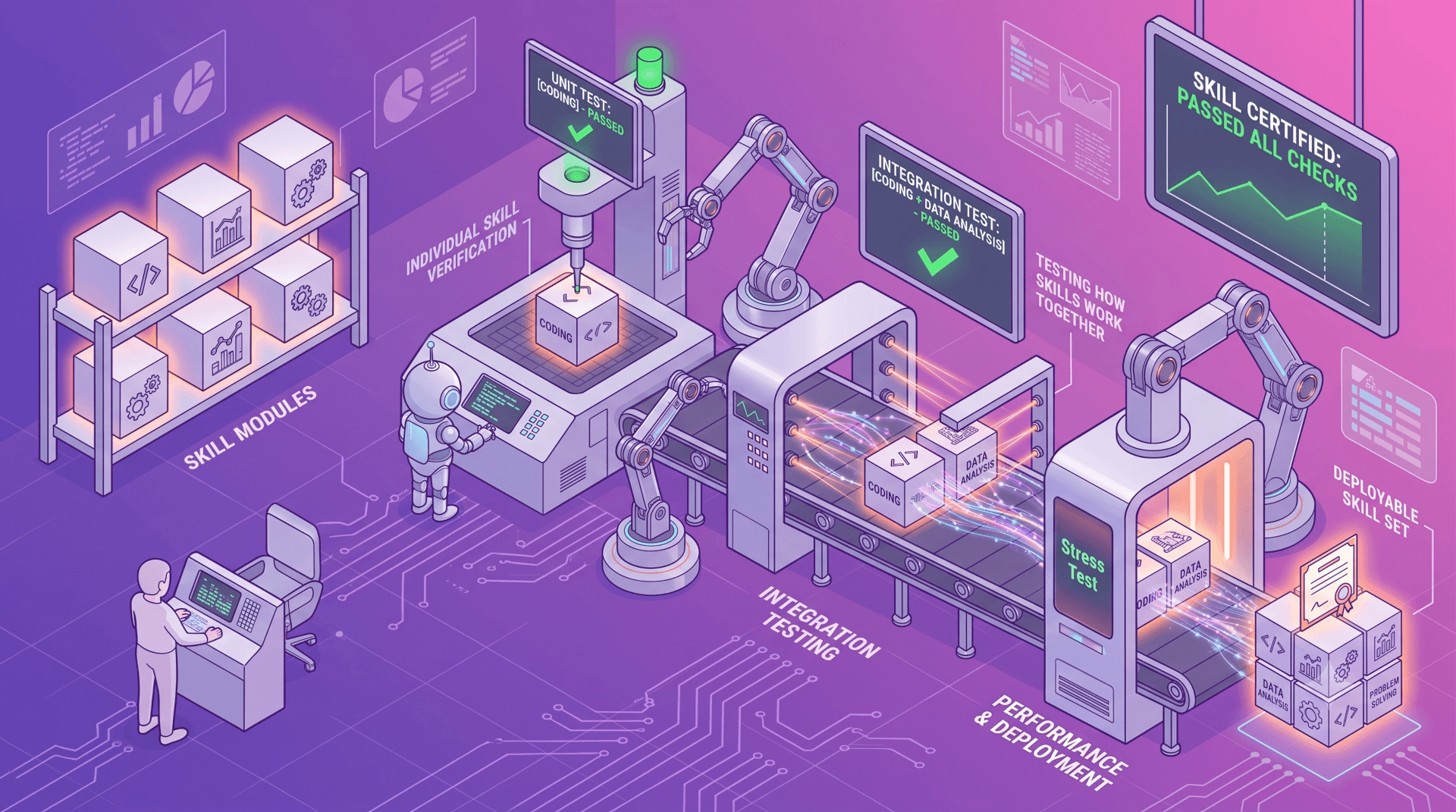
Verifying code suggestions for outdated imports or deprecated defaults is a quick way to catch when an assistant has leaned on an older library version.
To be safe, always assume the first code suggestion snippet is biased toward older versions.
Feed the assistant better context
Giving your code editor access to the latest official documentation can help reduce its tendency to fall back on stale patterns.
Cursor’s @docs directive and third-party MCP servers are already being used to pull fresh docs straight into the session. This is especially potent when project maintainers are mindful of coding assistants and expose the docs in formats that are LLM-friendly, such as .rst.
Together, these adjustments help developers balance convenience and vigilance.
Fit for tomorrow
When everything is moving forward so fast, the idea that coding may get stuck in the past may seem perverse.
If the past few years of lightning-fast AI development have shown anything, it’s that outdated suggestions are a solvable problem.
Models can be retrained far faster than humans can relearn habits. Once an LLM “gets it,” you get infinite copies of the better behavior.
The sooner we compare notes on what works, the sooner our assistants will move in step with the present.
Web Scraping Copilot
Upgrade GitHub Copilot Chat with the latest, AI-powered specialist scraping skills.