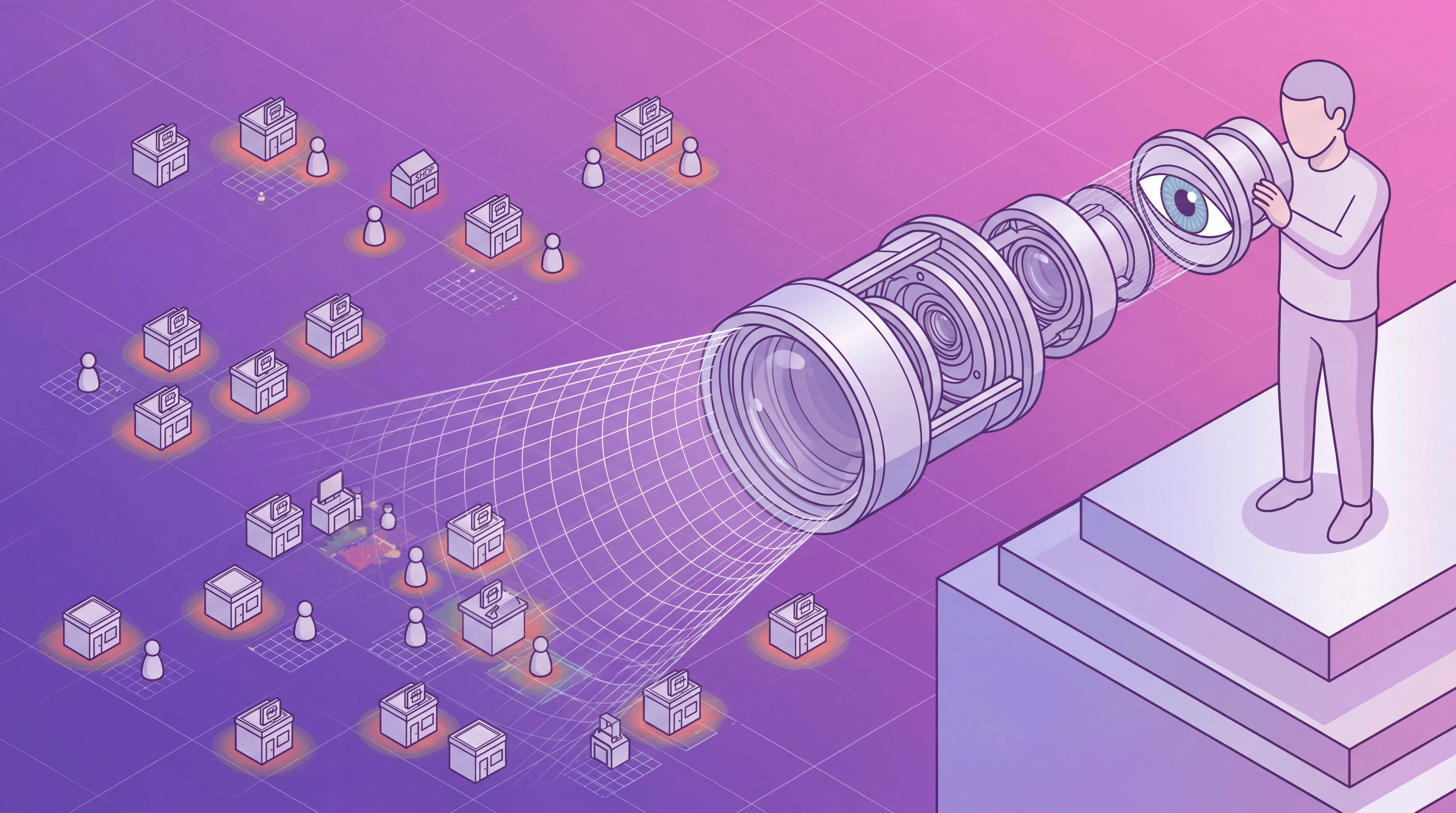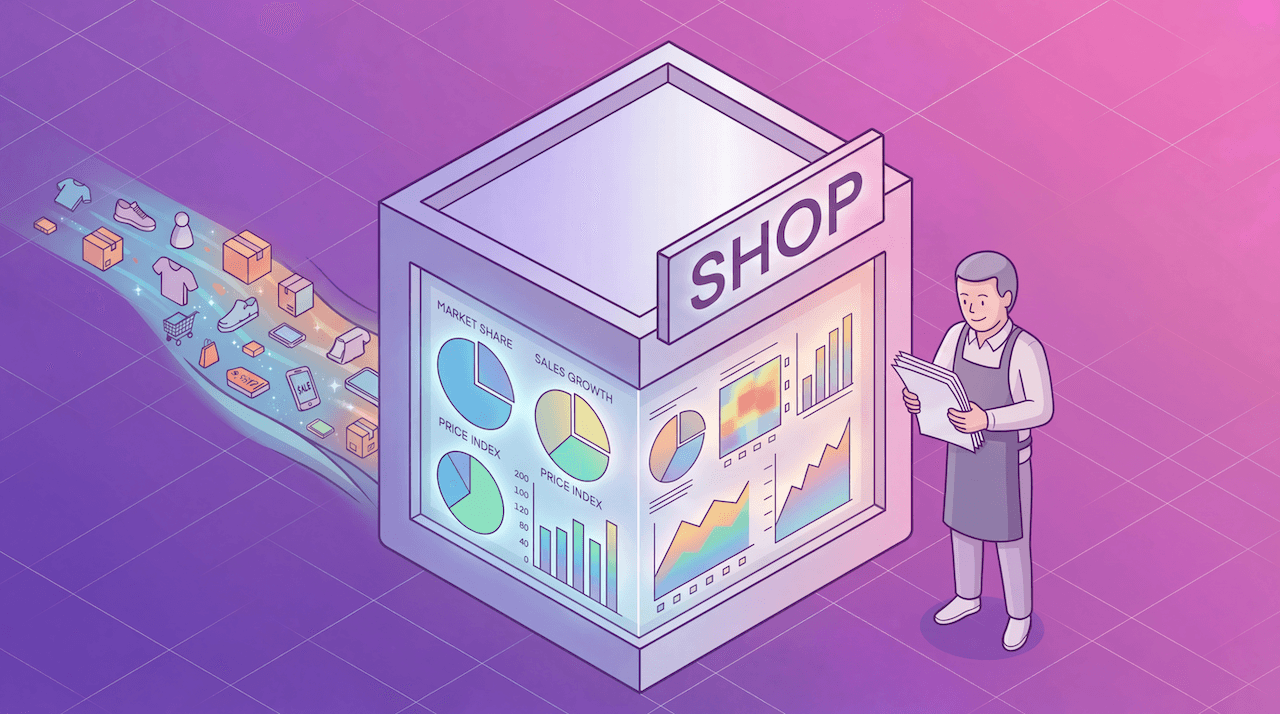
Twenty years ago, British mathematician Clive Humby minted a phrase that would define a generation of corporate strategy: "Data is the new oil."
It was the perfect metaphor for the Web 2.0 and early Big Data eras. Data was a raw, crude resource hidden deep beneath the surface of the web. To derive value from it, you had to sink a software rig, extract it through heavy effort, pipe it into massive digital refineries, and burn it to power the engines of commerce. That was web scraping.
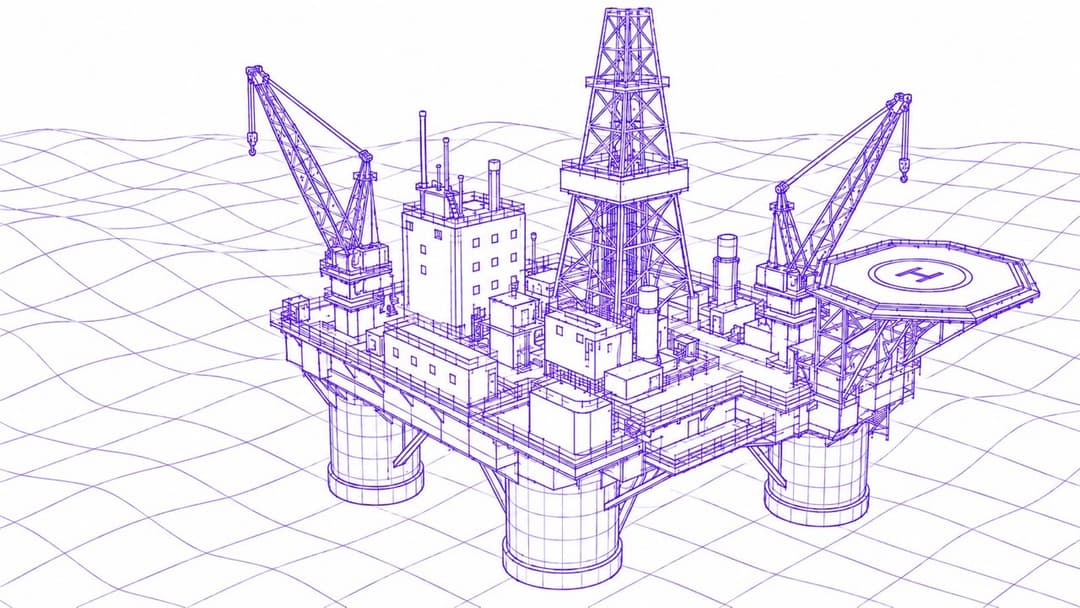
For two decades, we have treated information like a fossil fuel. We drilled for it, hoarded it, built fortunes on its scarcity.
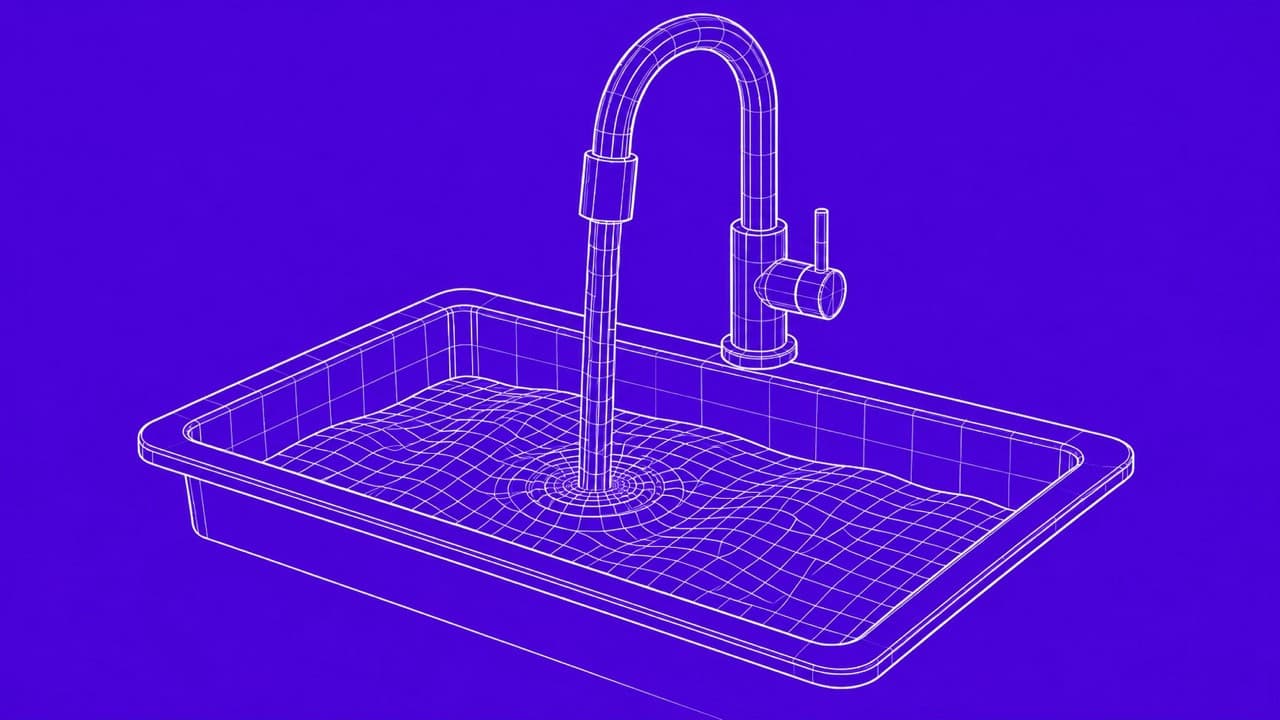
But the internet is changing. Agentic systems, conversational pipelines, AI that navigates the web and extracts structured data under its own direction… Such developments are lighting the way to a data acquisition that, on the surface, looks effortless - less like drilling and more like turning on a tap.
The future is fluid
This new fluidity is not before time because, today, data is something more fundamental, even, than fuel. You see, in our AI-driven economy, products and services can no longer get by with mere reserves of this resource; they need a continuous supply.
Information must be readily available; it must flow, fast and in untold directions, to the users - human or otherwise - that need it now, when the faucet demands it. Just as water is critical to our biology, to our planetary ecology, data is essential to sustaining our new digital life.
The technology enabling that flow is being built right now. Data extraction traditionally relied on brittle, hand-coded scrapers that fell apart the moment a site changed or a designer repositioned a box. Cue the digital blue-collar work of endless engineering call-outs to reconnect the supply pipe.
And this machinery was always fighting its material. As websites rolled out access control mechanisms, the substrate of the web became hard to penetrate, the tools became more powerful - and more unwieldy.
Fluid data behaves differently. You don't force water out of the ground or through a system, you channel it. The engineering is about direction, not extraction. After all, water, like information today, is abundant. And water finds the path of least resistance; the job is to make sure that path leads somewhere productive.
For most of the last two decades, data didn't behave like this. Now, increasingly, it does.
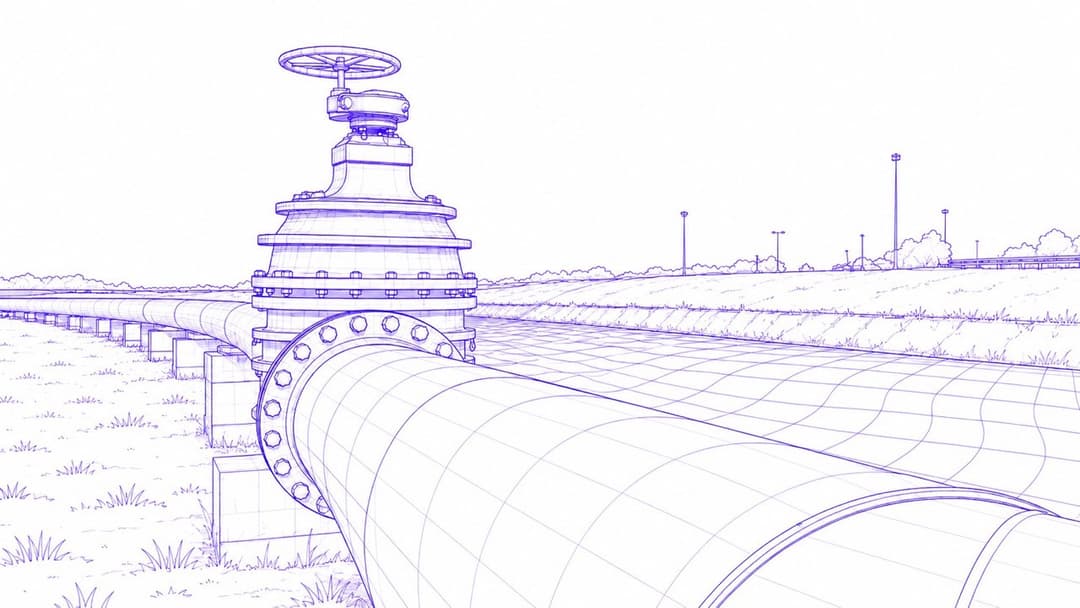
The pipes are being laid
Web scraping APIs had already abstracted away the hard parts of data extraction.
The pipes for the emerging, fluid-data web are not yet all in place - but we can see them being laid day by day.
Connective-tissue capabilities like Model Context Protocol (MCP), WebMCP, x402 and agent skills are turning large language models, and the many tools now enlivened by them, into super-integrated conductors, allowing users to invoke specialist code for tasks like data collection conversationally - and allowing engineers to embed the same, probabilistic powers within broader enterprise software workflows.
Through “self-discovery,” agents can uncover the optimum data-gathering tools for a job, on the fly, discarding them when done.
An agent doesn’t need a map of the plumbing. It will seek out a website’s underlying API or structured data feed, invoking a specialist service when challenging infrastructure, accessibility or volume conditions demand it, understanding and reacting to the environmental reality and semantic structure of the information it encounters.
This is the new “wu wei” of the web - achieving outcome without effortful doing.
Unseen and essential
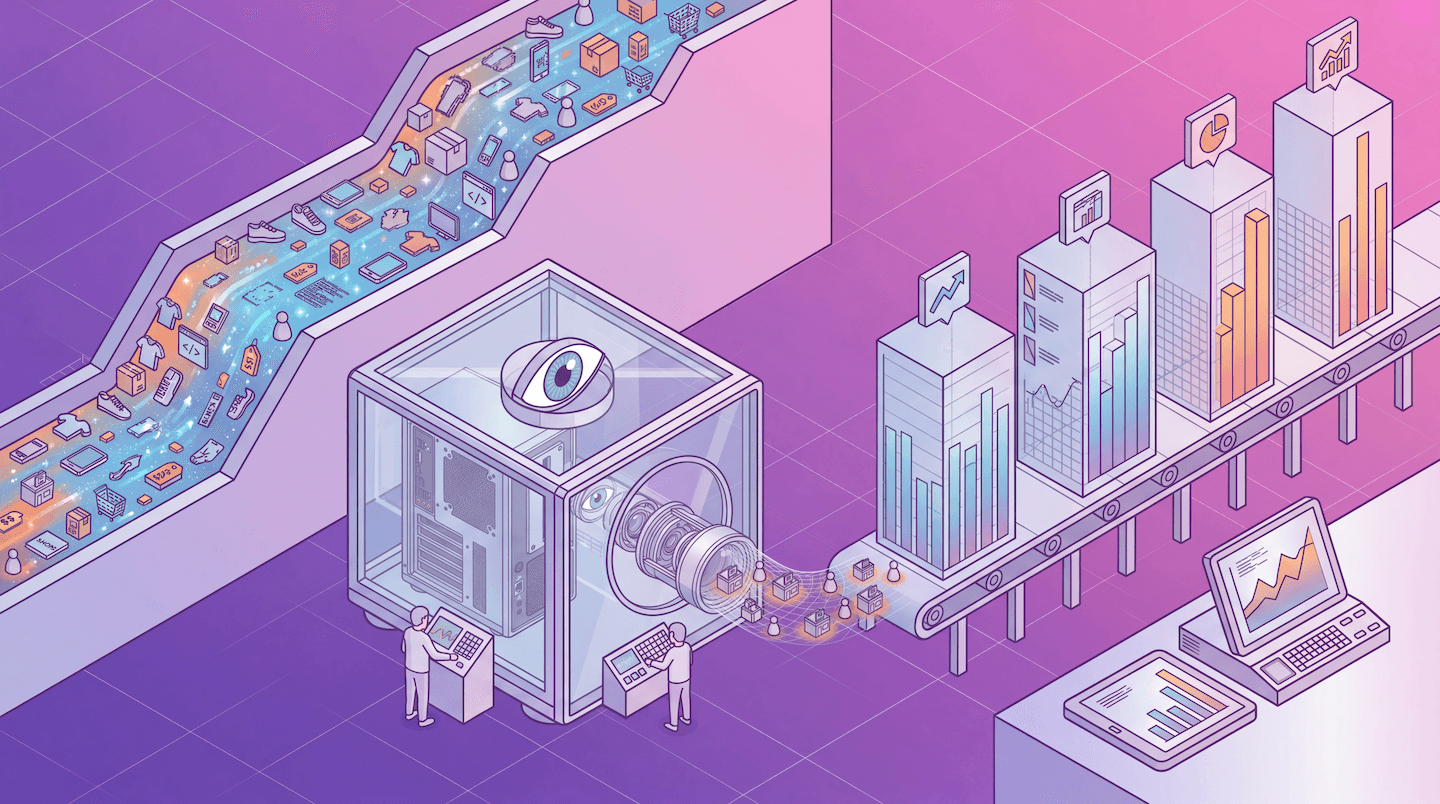
Not overnight, the infrastructure - the means by which information is absorbed from the atmosphere of the web, distilled and routed to its destination - fades into the background.
It’s all still there. In fact, the radically complex reality of making data access simple becomes more important than ever. In servicing the era of information super-abundance, the new pipes and providers can be considered critical infrastructure components - as integral to the functioning of the new world as water, energy and transportation companies are to the current one.
Those which demonstrate maximum ability to source, direct and integrate these assets will come to be considered of particular societal importance.
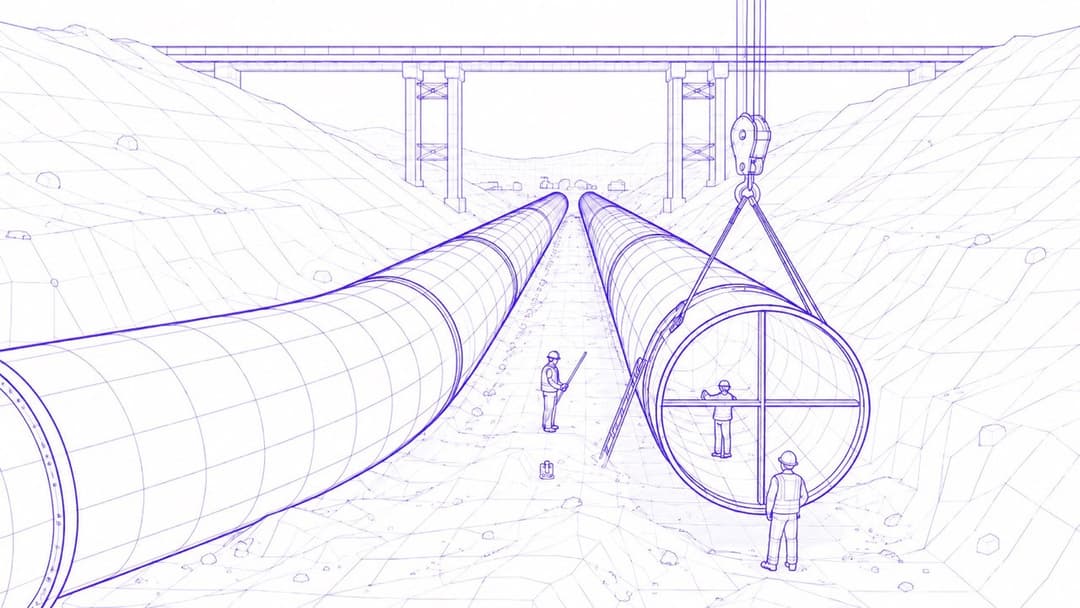
The apparent frictionlessness with which data will seem to arrive will be owed to the combined ingenuity of the new information age’s natural resource collection and its plumbing systems.
But those systems will look less like the heavy industrial process of data’s fossil fuel era. A data economy that prizes direct connections, discovery, agentic hand-shaking, ingenuity over repetition and self-repair over wastage or repeat failures is one which leaves the lightest footprint on the web - a cleaner, more efficient future for resource extraction than the brute-force drilling and fracking of yesterday’s scraping.
Clive Humby was on to something - information is fundamental.
Twenty years on, however, it’s now clear that it is as fundamental to business as water is to life.
Data isn’t the new oil. It’s more important than that.