When you dive into the world of web scraping, one of the biggest headaches you’ll face is navigating website bans. Luckily, managing user sessions can be a real game changer, helping you sidestep these obstacles and boost your scraping efficiency. Let’s break down how sessions work and how you can use them to streamline your data extraction process.
What is a user session in web scraping?
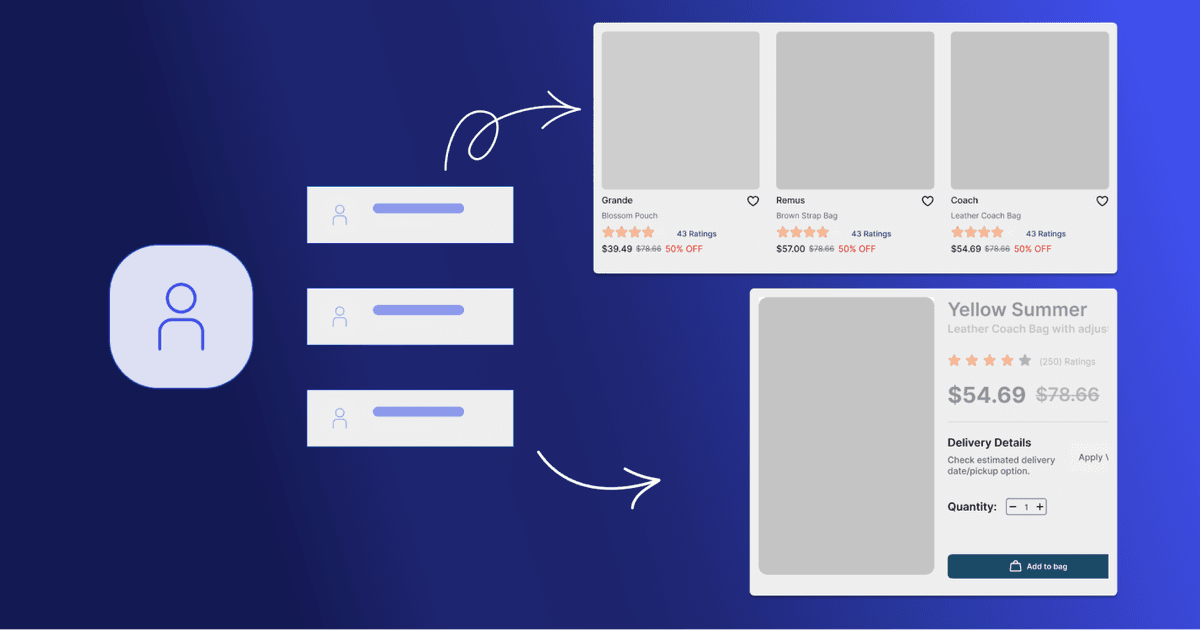
So, what exactly is a user session in web scraping? Think of it as the ongoing interaction between your scraper and a website. This interaction allows for consistent tracking of your requests while maintaining user-specific data. It’s crucial because many sites have anti-scraping measures in place.
During a session, cookies store essential information like your login status and preferences. Plus, unique session IDs help the server recognize your requests as coming from the same user.
For example, if you’re scraping an e-commerce site for product prices, maintaining a user session lets you hop between different product pages without getting logged out or blocked. This continuity ensures a smooth and efficient data extraction process.
Top 3 use cases for session management:
1: Tackling IP rate limiting
Have you ever hit a wall while trying to scrape data, only to find you’re locked out due to rate limits? Many websites restrict how many requests you can make from a single IP address within a given timeframe. That can be a major frustration, especially when you’re trying to gather large datasets.
By keeping the same IP address active in a session, you can avoid these limits.
Picture this: you’re pulling data from a competitor’s site for market research. By using sessions, you can continuously scrape information without running into those pesky walls. This means you can maintain a steady flow of requests and get the data you need without interruptions.
2: Streamlining cookie management
Cookies are the unsung heroes of the web. They help websites remember your preferences and track your activity. But when it comes to scraping, managing these cookies can feel like a headache. Fortunately, it doesn’t have to be that way.
Sessions automatically handle cookie management for you, ensuring that you send the necessary cookies with each request. Let’s say you’re scraping an e-commerce site for product prices and availability. If the site requires a login, sessions keep your authentication cookies handy, allowing you to navigate pages and extract data seamlessly without getting logged out or blocked.
3: Avoiding behavioral analysis
Websites are becoming increasingly savvy about detecting scrapers. They employ behavioral analysis to monitor request patterns and spot any unusual activity that might signal scraping. This is where maintaining a consistent user session really shines.
By reusing the same network stack, your requests look more natural. Imagine you’re scraping a news website for article headlines. If your requests mimic those of a real user—navigating links and loading pages at a reasonable pace—you’re far less likely to trip those detection algorithms. Keeping your session alive helps you blend in and avoid raising red flags.
Real-world application
Imagine you’re a developer or data engineer on an e-commerce team, tasked with gathering data to drive pricing strategies, competitor analysis, and market insights.
By effectively managing sessions during data collection, you can seamlessly scrape product details from multiple retailer sites, monitor real-time pricing changes, and collect user reviews—all without facing the challenges of frequent IP bans or access blocks.
With robust session management in place, you can focus on delivering clean, structured data that impacts your business’s strategic decisions, rather than spending time troubleshooting access issues.
Conclusion
In the world of web scraping, managing sessions isn’t just a nice-to-have, it’s essential for overcoming website bans. By tackling IP rate limiting, streamlining cookie management, and avoiding detection through behavioral analysis, you can significantly enhance your scraping efficiency.
And this is where a web scraping API, like the Zyte API, becomes invaluable. It simplifies session management, automatically handles IP rotation, and optimizes your requests for a seamless scraping experience. With its advanced session management capabilities, you’ll find that your web scraping efforts become more efficient.
With web scraping API like the Zyte API, you can focus on gathering valuable insights instead of getting bogged down by technical hurdles.
So, whether you’re gathering data for competitive analysis, market research, or trend tracking, mastering the use of sessions can give you a significant edge. Why not explore Zyte API and experience the difference for yourself?