Zyte API offers a powerful solution for digital shelf analytics companies to overcome geo-blocking challenges and extract accurate, localized data from websites worldwide. By leveraging advanced geolocation features and intelligent proxy management, Zyte API enables comprehensive data collection for global e-commerce insights.
Geo-blocking challenges for digital shelf analytic companies
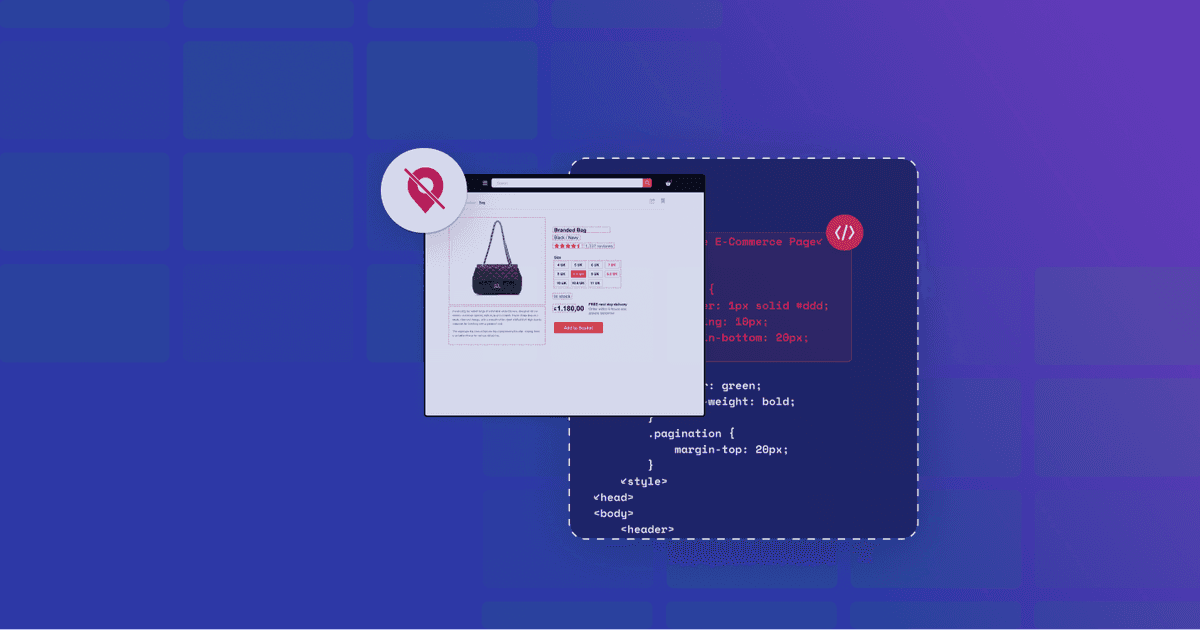
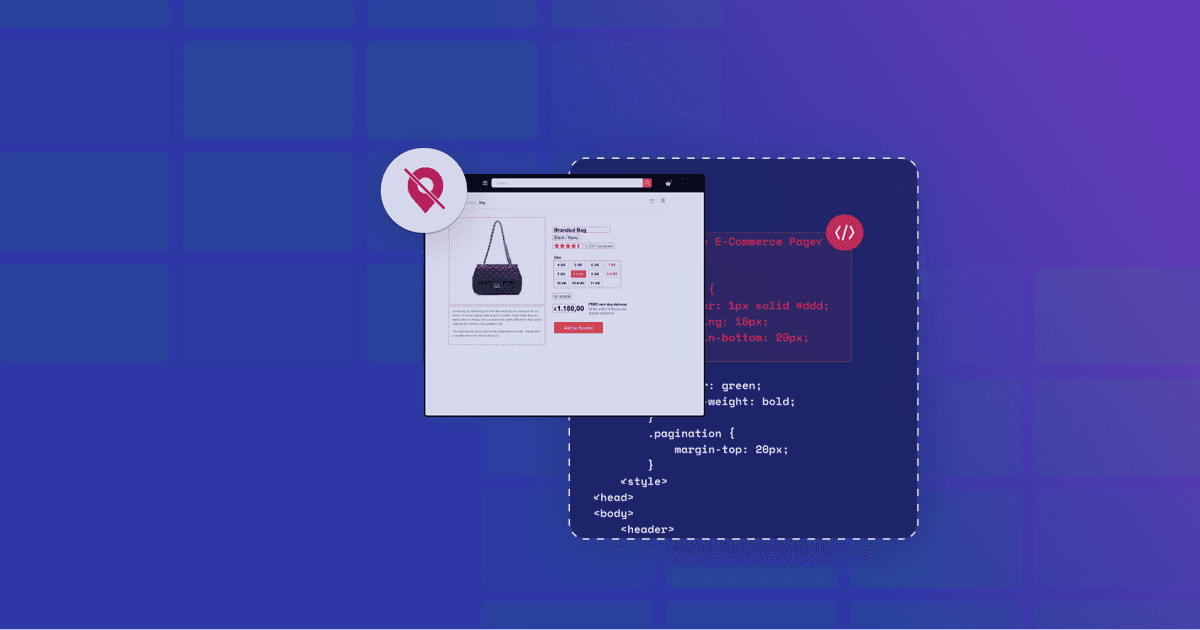
Due to geo-blocking, digital shelf analytics companies face significant hurdles when extracting data across global e-commerce platforms. This technique restricts access based on geographical location, leading to:
Inconsistent pricing data
Limited product availability information
Inaccurate promotional content
Skewed competitive analysis
These limitations can result in incomplete or misleading insights, potentially impacting strategic decisions for e-commerce businesses. Overcoming geo-blocking is crucial for obtaining a comprehensive and accurate view of the digital shelf landscape across different markets.
Zyte API solution
Leveraging intelligent proxy management and advanced geolocation features, Zyte API provides a robust solution to bypass geo-blocking while maintaining data quality and cost-effectiveness. The system automatically detects and utilizes proxy locations that won't trigger blocks, ensuring continuous data flow without manual configuration. For more granular control, the extended geolocation feature allows users to configure specific locations for each spider, accessing the same website from different places to obtain localized content.
This approach enables companies with digital shelf analytics to access product information, pricing, and promotions from multiple locations, providing a truly global perspective on digital shelf presence. By simulating local user experiences across different markets, Zyte API ensures that the collected data accurately reflects the actual consumer experience in each region, enhancing the quality and reliability of insights derived from the data and you can activate the localized IP with a single parameter in the code..

Geolocation settings implementation
To implement geolocation settings in your Scrapy spider using Zyte API, follow these steps:
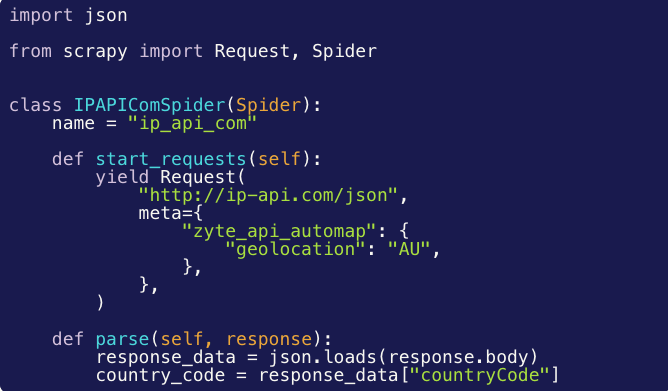
This configuration allows you to set a specific geolocation for your requests, enabling seamless access to localized content. The 'geolocation' parameter can be adjusted to target different countries or regions for your digital shelf analytics project.
Benefits for digital shelf analytics
Comprehensive Data Collection: Access product information, pricing, and promotions from multiple geographical locations, providing a truly global perspective on digital shelf presence.
Accurate Competitive Analysis: Compare product positioning and pricing strategies across different markets, enabling more informed decision-making.
Enhanced Localization Insights: Understand how brands and retailers tailor their offerings for specific regions, informing localization strategies for your clients.
Improved Data Quality: By accessing websites as local users would, you ensure the digital shelf data collected reflects the consumer experience in each market.
Advanced geolocation techniques
Zyte API goes beyond simple country-level geolocation. Here are some advanced techniques:
City-Level Targeting: For some websites, you can specify city-level geolocation for more precise data collection.
Rotating Geolocations: Implement a rotation of different geolocations to mimic natural user behavior and avoid detection.
Geolocation Chaining: Use multiple geo locations in sequence to simulate a user traveling. This technique is helpful for travel or hospitality-related data collection.
Overcoming additional challenges
While geolocation solves many issues, digital shelf analytics companies may face other obstacles:
Dynamic Content: Zyte API includes a built-in headless browser to render JavaScript and capture dynamic content.
Complex Website Elements: The API can handle challenging elements like carousels and tabs, ensuring comprehensive data extraction.
Scalability: You can scale your data collection efforts efficiently by building and deploying spiders quickly.
By leveraging Zyte API's geolocation features and additional capabilities, digital shelf analytics companies can overcome geo-blocking and other web scraping challenges. This enables collecting high-quality, localized data at scale, providing deeper insights into global e-commerce trends and competitive landscapes.
Remember, while web scraping can be powerful, adhering to ethical practices and respecting website terms of service is crucial. Always ensure your data collection methods comply with legal and ethical standards.
Test Zyte API with free credits.
Geolocalized website access can be easily tested during the free trial of Zyte API.
To begin your trial, simply sign up and set up a fresh account. Then, choose a website that requires localized IPs, configure it in your spider code, and run your first requests.