Field notes from the world of data extraction.
Articles, interviews and analysis on how data is gathered, used and fought over — written by the people closest to it.

Web scraping on 22 KB of RAM: Fitting the world on an ESP8266 microcontroller
Data-gathering doesn’t have to be memory-intensive. You can fit the world’s weather on a 9cm-square board, when you move the work to a web scraping API.

I built scraping agents for 30 days - here’s what I learned
For the last 30 days, I did one thing almost exclusively: I built scraping systems with AI agents, from the ground up, across real targets, with real deadlines. Not prototypes designed to impress in a demo, not isolated experiments running against a toy website, but production-grade pipelines that needed to ship and keep running.

I'm not the same developer I was before LLMs
I've been running a series of conversations with developers at Zyte to understand what's actually changed in the way they work since LLMs showed up. Not the headlines. The day-to-day. What they delegate, what they don't, what they notice, what surprises them. This one was different on two counts.
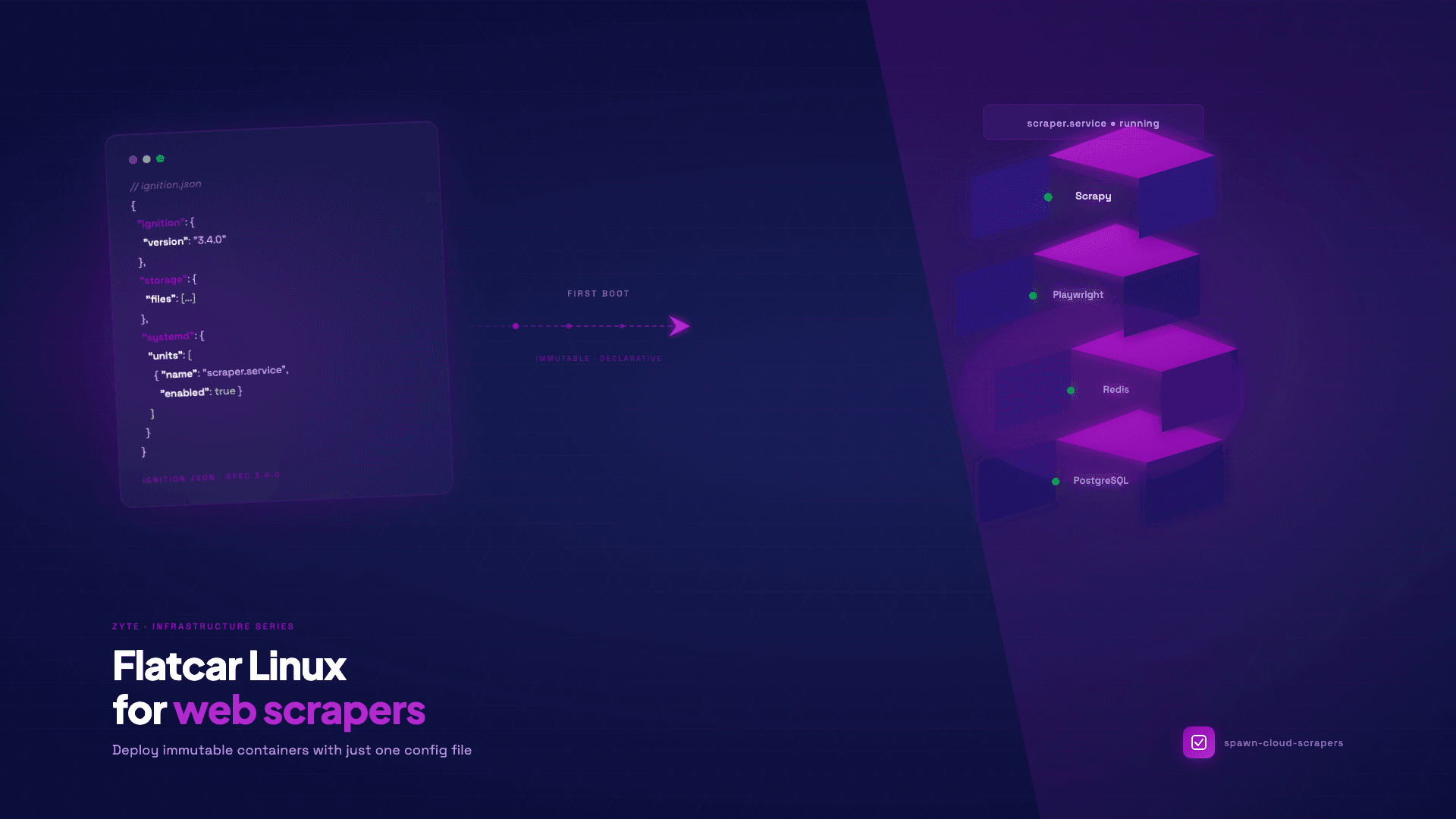
Flatcar Linux for web scrapers: deploy immutable containers with just one config file
The next time you spin up a VPS to give it a persistent home, you spend the better part of an afternoon rebuilding from memory. Here's a tool to help using Flatcar Linux

My agentic coding setup: Claude Code, multi-agent orchestration, and how I actually work
Ayan's 4 agent team, using Claude's /goal, and the models and coding agents he uses to code effectively.

llms.txt isn’t dead: How we put dev docs in AI’s spotlight
Marketers are giving up on the idea of plain-text pages - but llms.txt and Markdown are how we’ll get our docs in the hands of LLMs and developers.
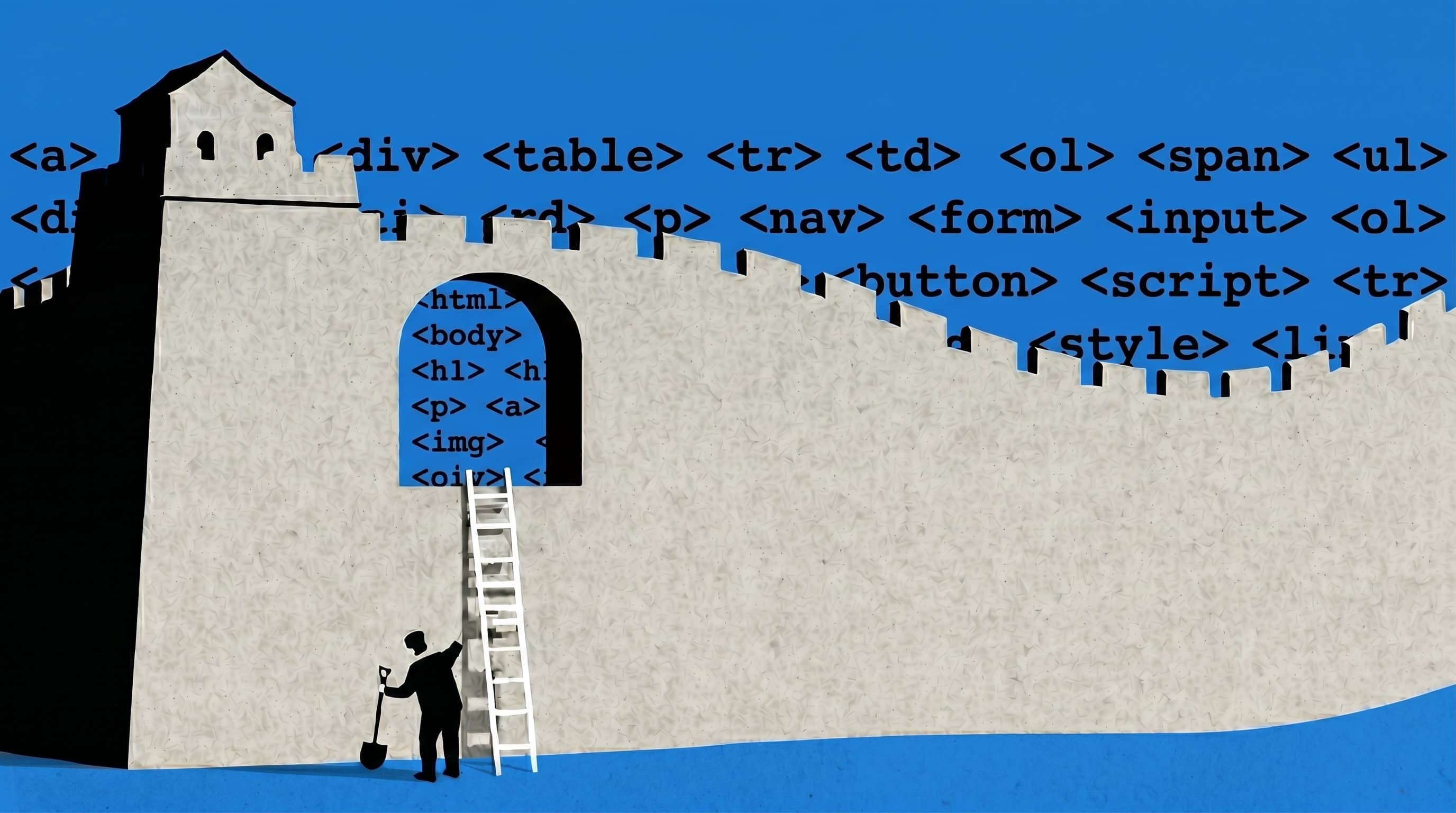
The great wall of data: The complexities of web scraping in the Asian market
While the technological arms race of web data access is universal, the battleground in Asia has its own unique rules of engagement.
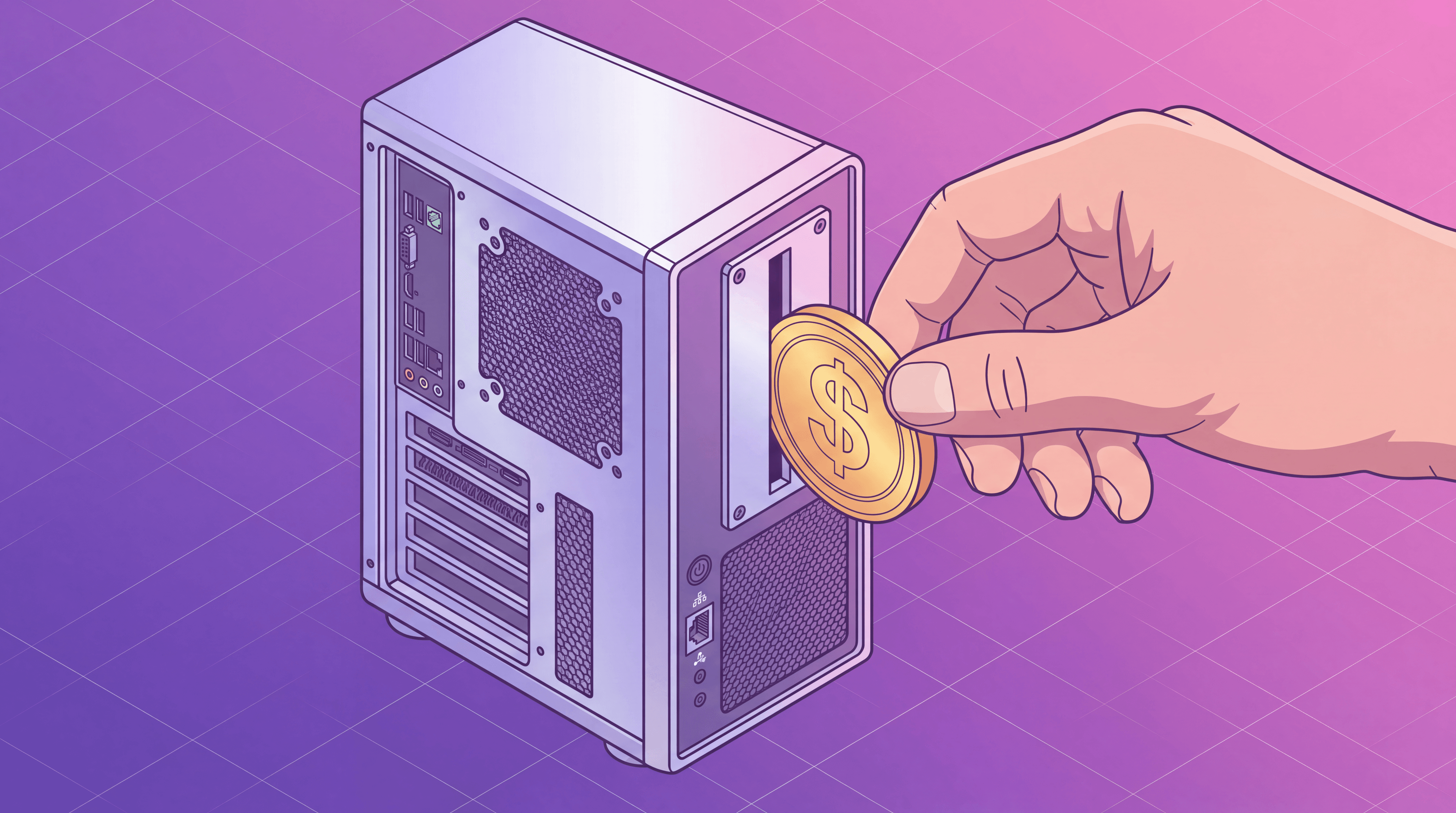
Actually, web scraping APIs are cheaper
Many data teams still think running a proxy-based scraping stack is most cost-effective. Industry pressures and our research disprove that idea.

The science of compliance: Tech tips for a legal data pipeline
New legal and regulatory compulsions for web data have significant business consequences. So, how can technologists engineer their company’s risk profile lower?

AI won’t fix your data quality (until you answer these three questions)
In our interview, a QA expert warns - before you delegate web scraping quality assurance to AI, make sure you can describe what ‘good’ looks like for yourself.

Why 10 million tokens won’t save your AI agent (and what will)
New models can process larger inputs, and confuse themselves in the process. Context management techniques can solve the problem.

Web scraping APIs vs proxies: A head-to-head comparison
Proxies are essential to scraping at scale. So, how do full-stack web scraping APIs compare?