Field notes from the world of data extraction.
Articles, interviews and analysis on how data is gathered, used and fought over — written by the people closest to it.

Introducing Zyte Web Data for Claude Code: Production-ready scraping from a prompt
Developers are embracing agentic coding tools - but data engineers need tools with specialist scraping skills.

Copilot like a pro: Eight tips that supercharged my workflow
AI-assisted coding is a revelation. But are you getting the most out of your IDE’s sidebar sidekick?
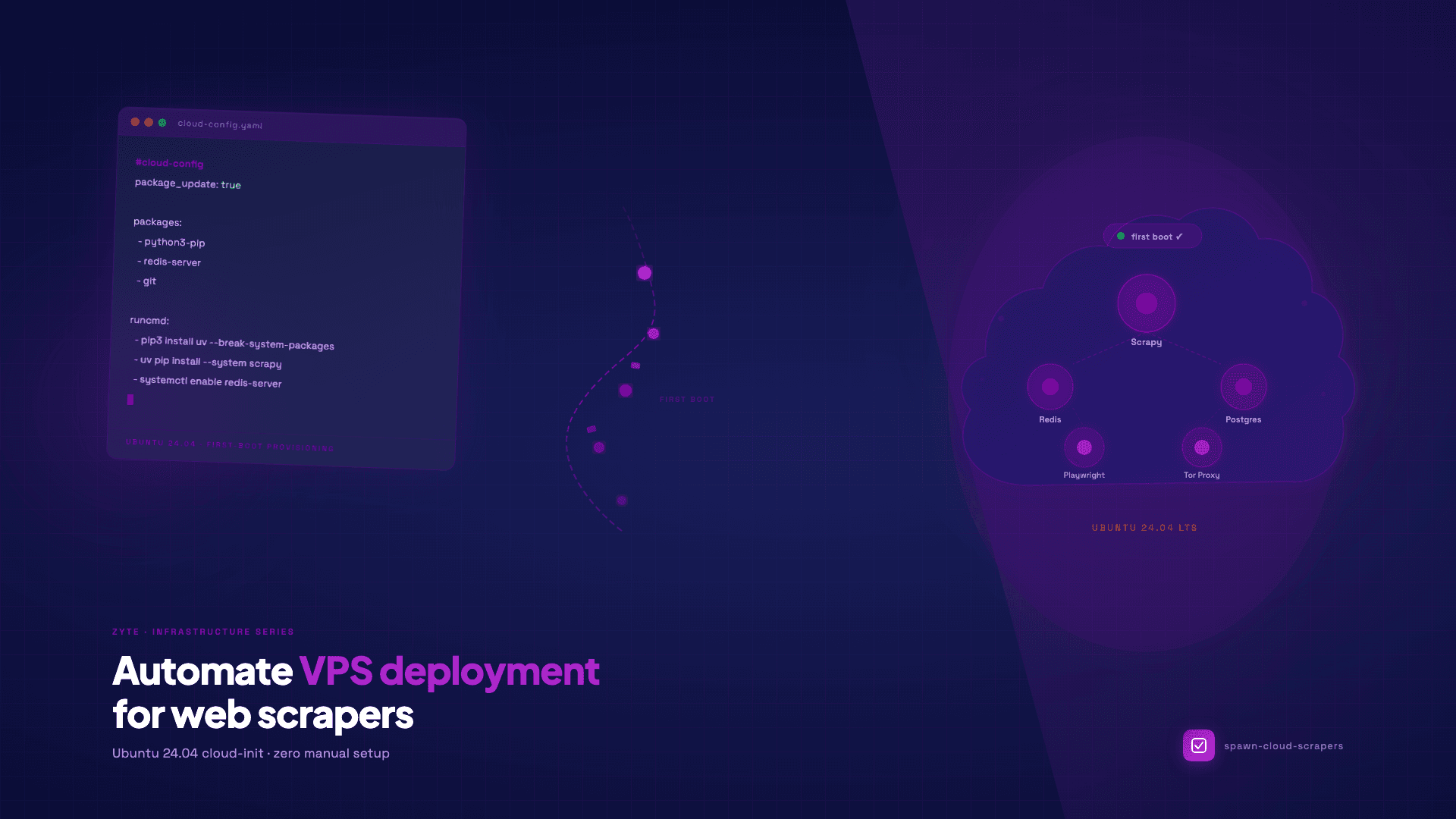
Automate deployment of your web scraper on VPS with Ubuntu 24.04 cloud-init
Your VPS is ready, but now you need to work through the same sequence you have run a dozen times before: apt update, apt install python3-pip, pip install scrapy, playwright install chromium, the Chromium dependency list that never installs cleanly on the first try, Redis, possibly Postgres, whatever else this particular project needs.
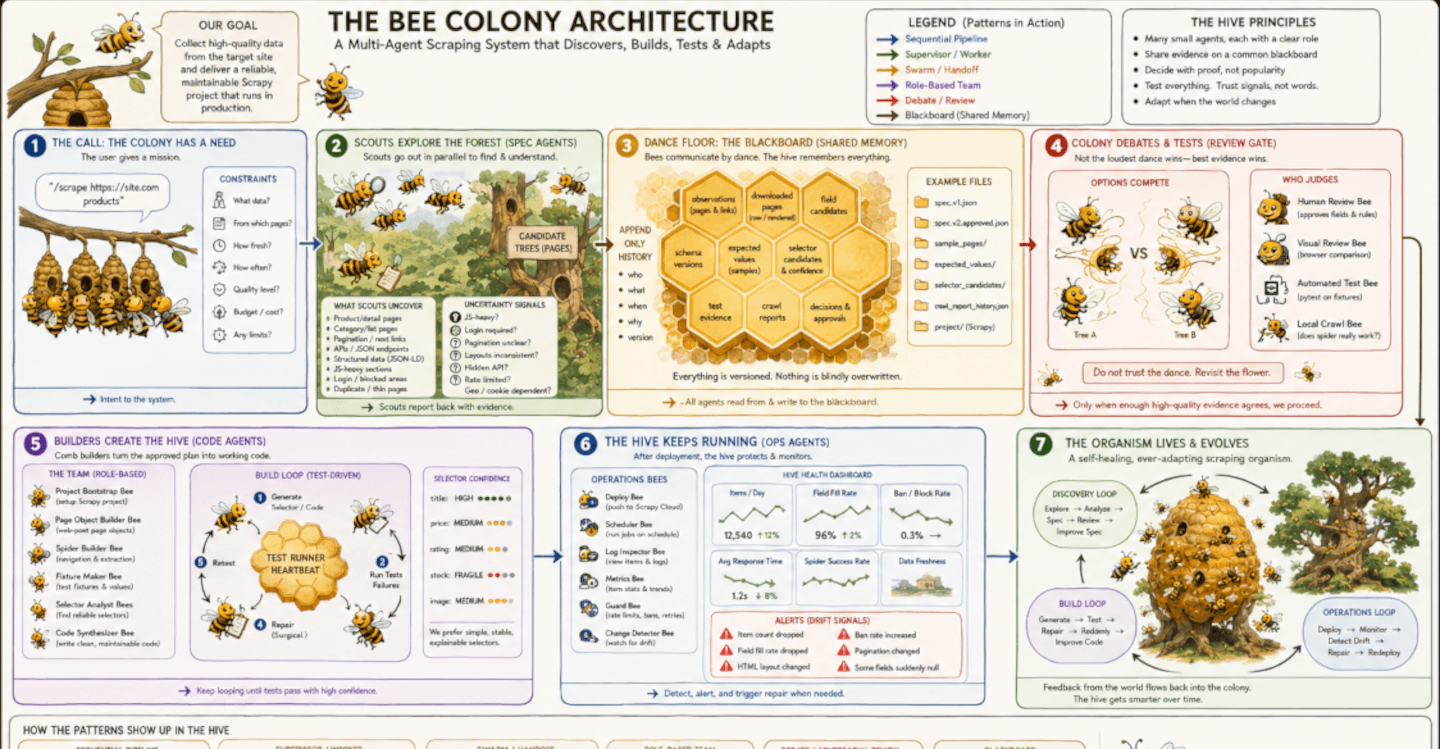
What multi-agent orchestration looks like in a large-scale web scraping project
Multi-agent orchestration is having its moment. The diagrams are everywhere now. Boxes for planners, boxes for hands, boxes for daemons, arrows to a shared brain, a human floating at the top. They keep getting prettier. The part where the web pushes back is still the part nobody draws.
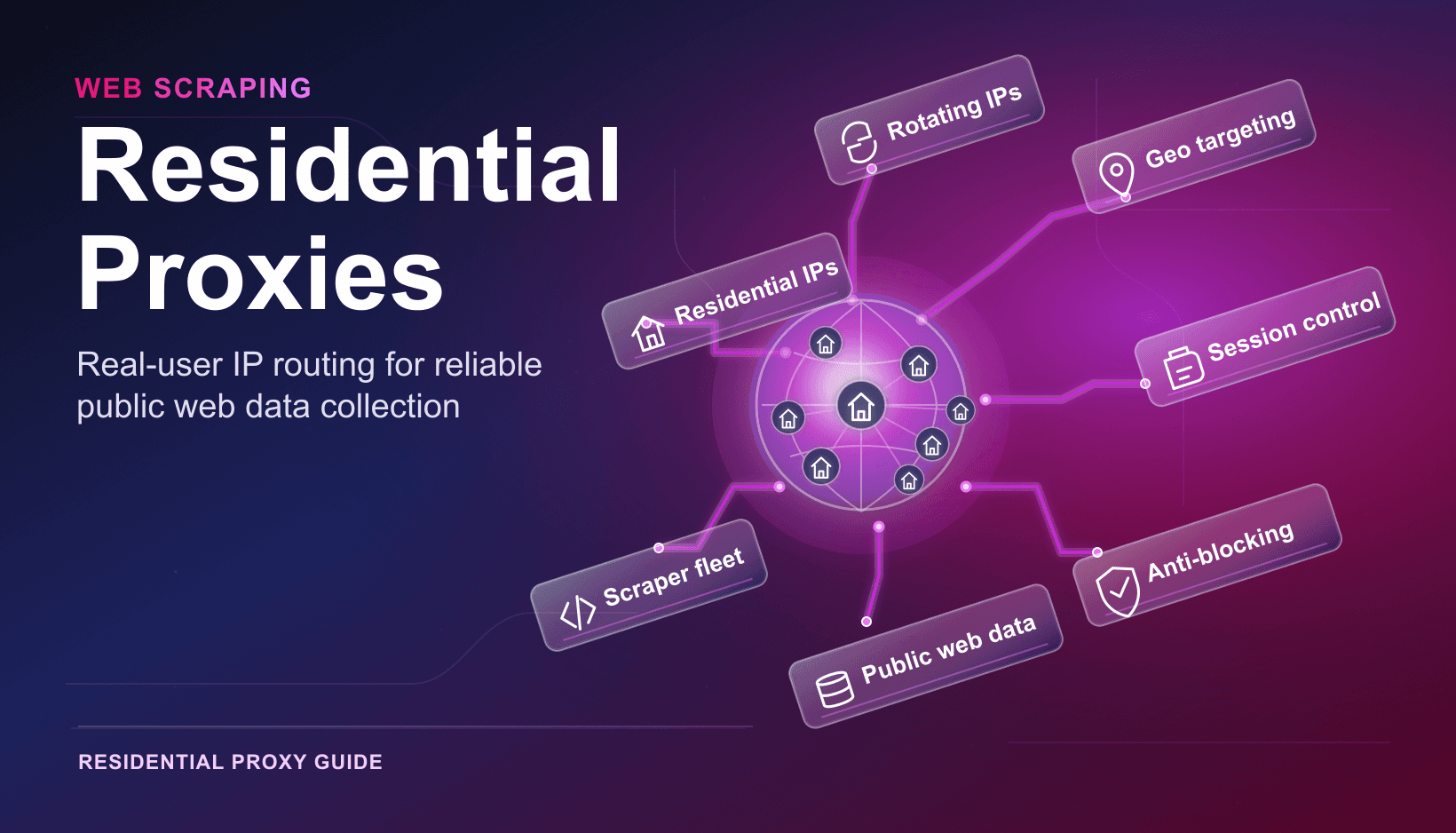
What is a residential proxy?
Learn what residential proxies are, how they compare to datacenter proxies, and why modern web scraping needs more than IP diversity.
How much do rotating proxies cost?
Learn how much rotating proxies cost, what affects pricing, and why total web scraping costs often go beyond proxy subscriptions.
How do rotating proxies work?
Learn how rotating proxies work, when to use them for web scraping, and why IP rotation alone is not enough for reliable data access.
Are proxies legal for web scraping?
Learn whether proxies are legal for web scraping, what compliance factors matter, and why modern teams use automated unblocking beyond proxy management.
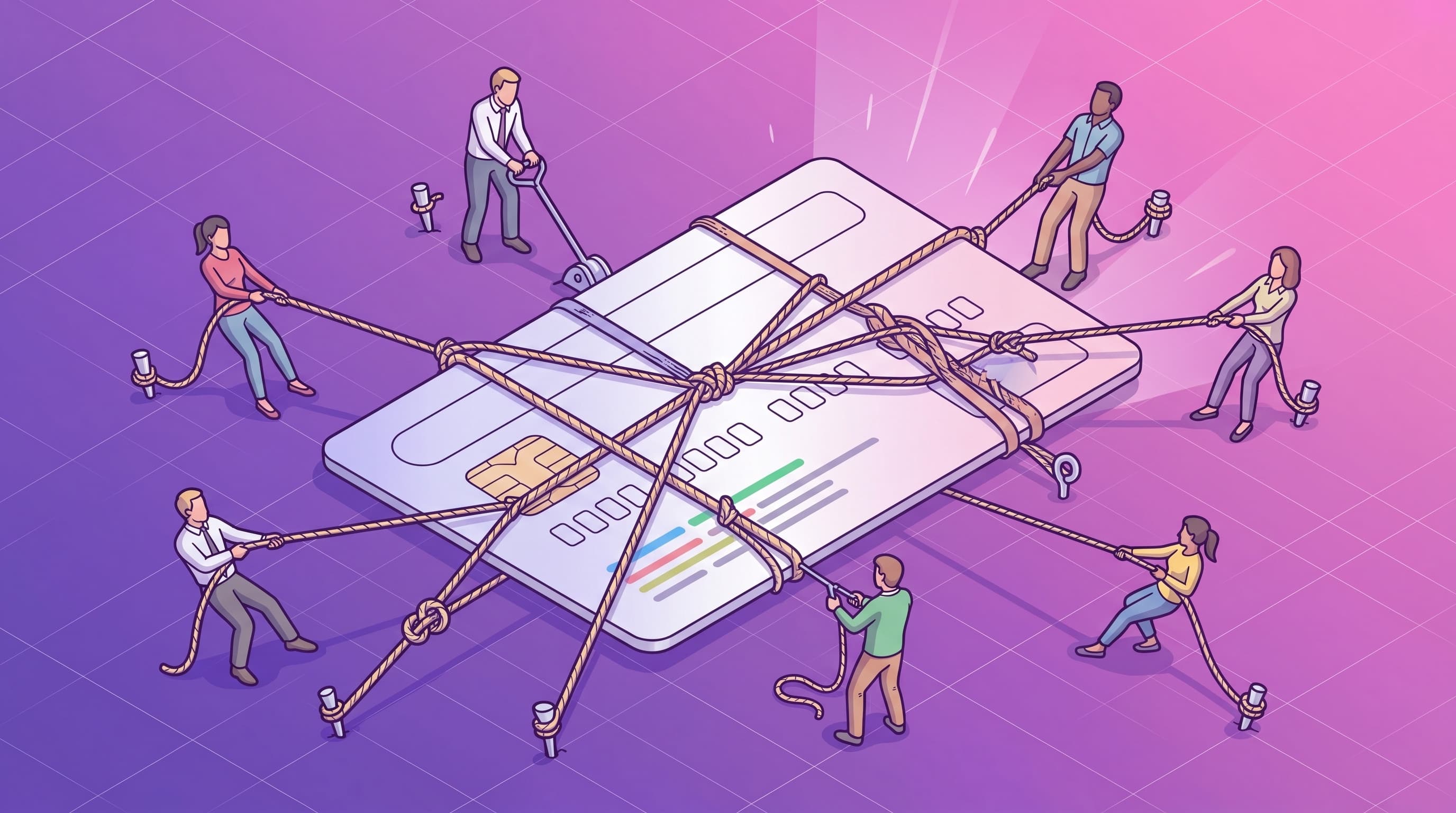
Announcing powerful new spending controls and usage insights for Zyte API
Consign bill-shock to the trashcan. New custom spending limits and usage insights put data-gatherers in control.
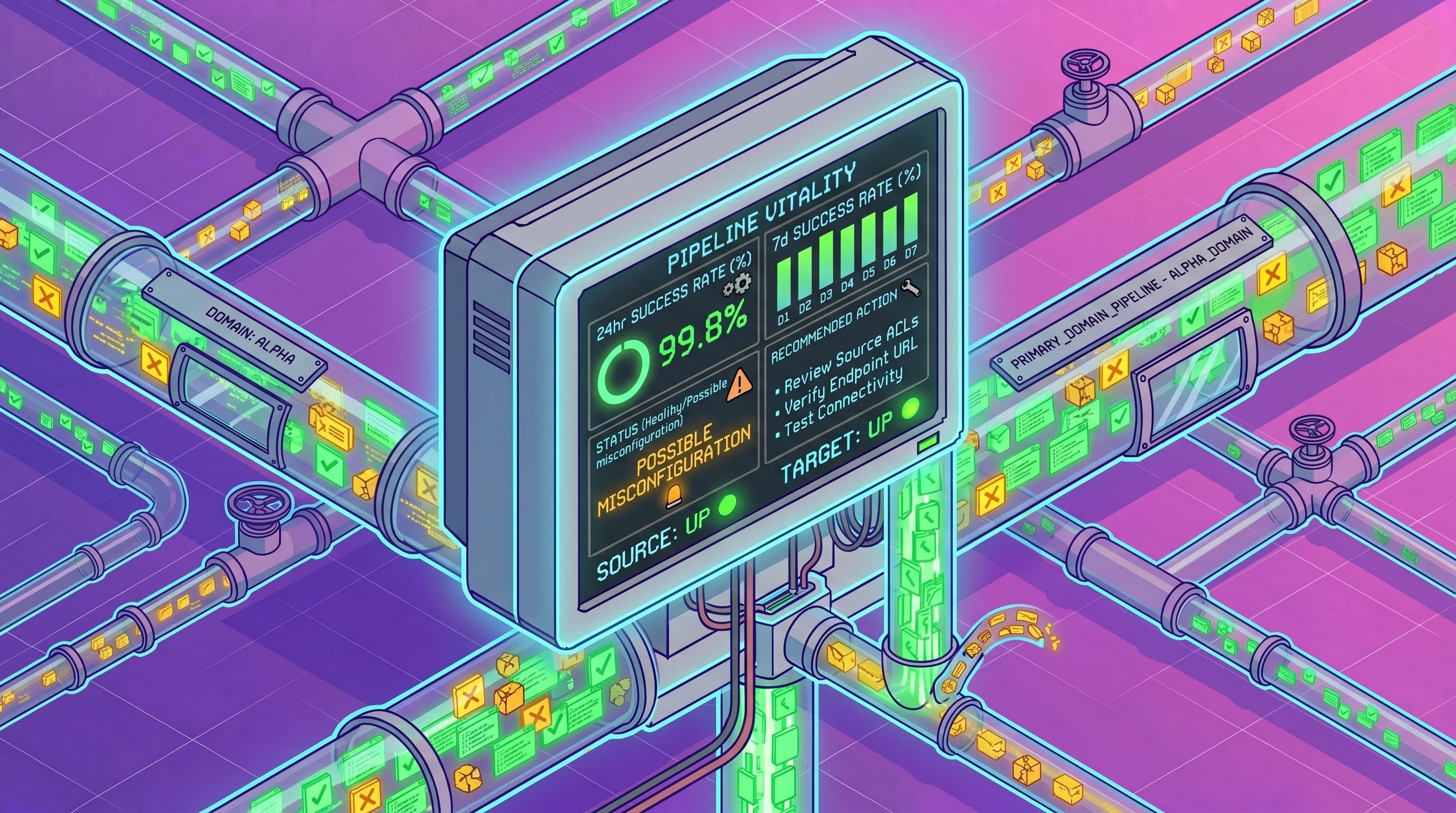
Meet the new-look Zyte Domain Health Hub: Your command center for data extraction performance
Monitor your data-gathering pipelines like a boss - and act on domain issues in real-time.

NotAnInterview: “I Have Superpowers Now"
The problem was a project with 12,000 websites to crawl, and there’s no world where you write custom spiders for 12,000 websites, not with a human team and certainly not sustainably. So Javier built a workflow: a set of AI prompts that could analyze a website, figure out its structure, and generate a crawl configuration that a generic spider could then use.
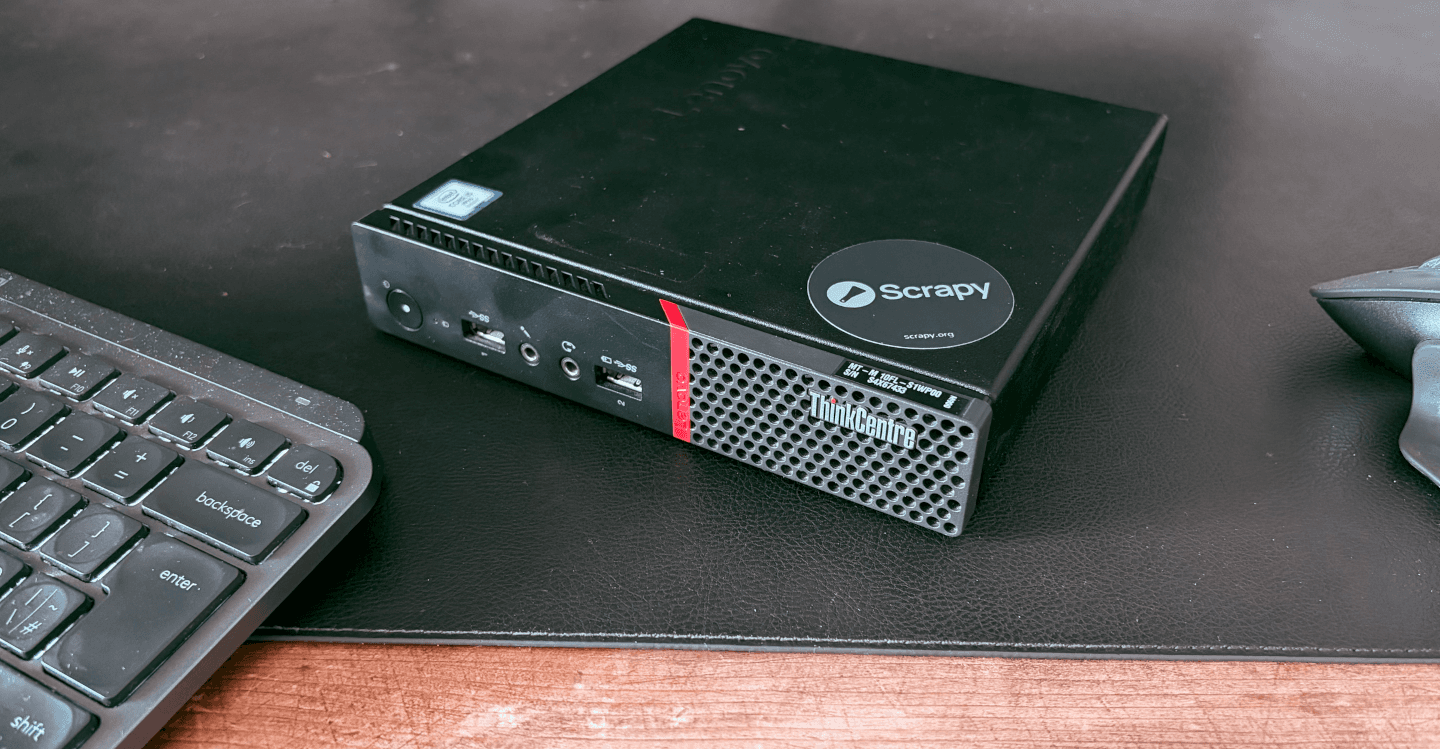
Building a self-hosted browser scraping service (is it more hassle than its worth?)
If you want to understand exactly how a browser scraping service works at the infrastructure level, or you have a steady workload that you want running on hardware you already own, building one yourself teaches you things that matter. Here's how I did it